

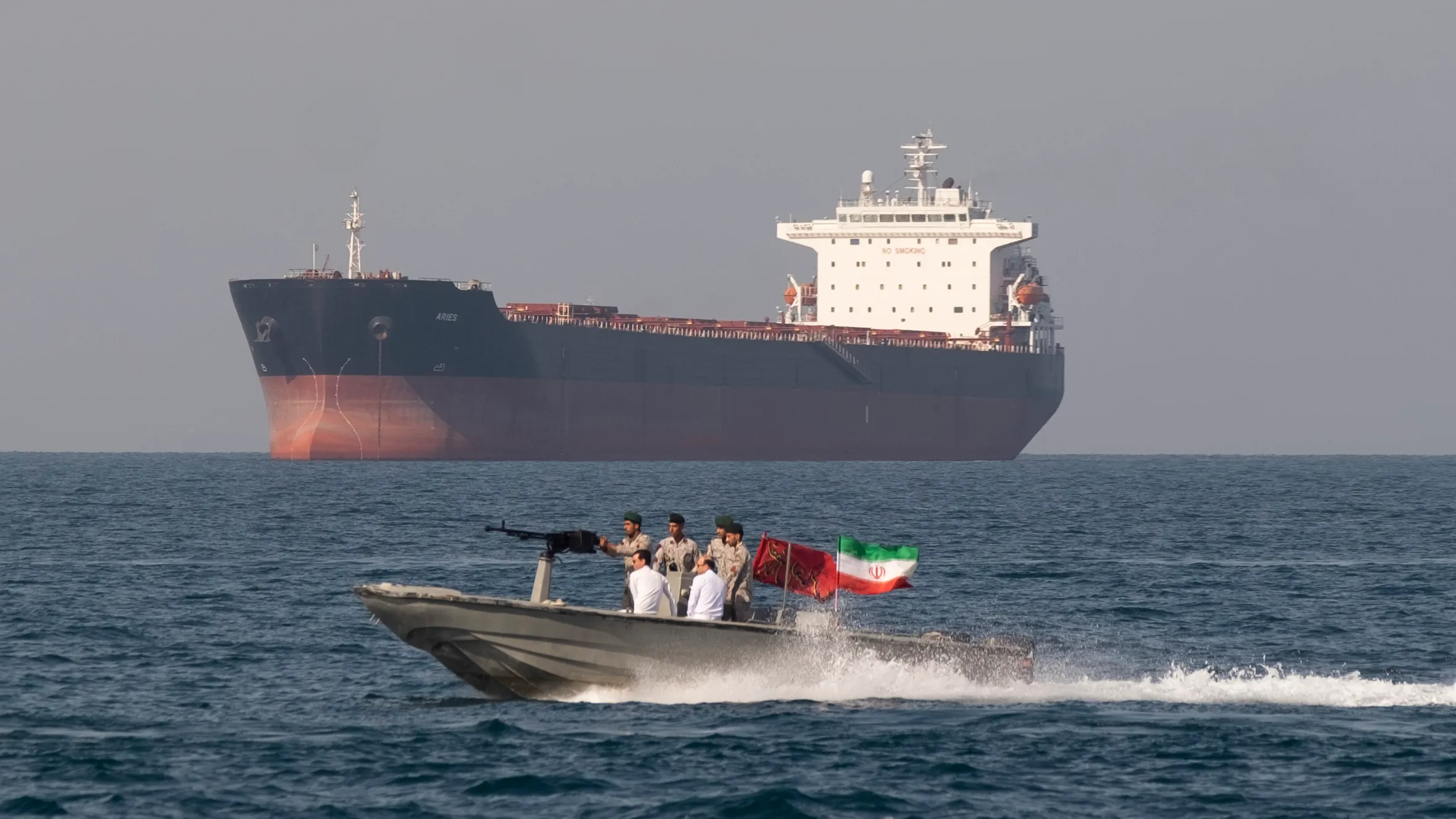
US Energy Secretary Chris Wright deleted a post on X in which he said the US Navy had successfully escorted an oil tanker through the Strait of Hormuz, a key global energy shipping route, during the ongoing conflict with Iran.
In the post, Wright credited US President Donald Trump with maintaining global energy stability during military operations against Iran.
“President Trump is maintaining stability of global energy during the military operations against Iran,” Wright wrote. “The US Navy successfully escorted an oil tanker through the Strait of Hormuz to ensure oil remains flowing to global markets.”
However, the post was later removed from the platform without explanation, raising questions about the accuracy of the claim. But it came afte several international media had lashed on it with breaking news.
Reporters and analysts who closely monitor maritime traffic and military activity in the region had already begun questioning Wright’s statement before it was deleted.
Iran also rejected the assertion.
A spokesperson for Iran’s Islamic Revolutionary Guard Corps said no US warship had entered the strategic waterway during the conflict.
“None of the US warships during the war even dared to approach the Sea of Oman, the Persian Gulf, and the Strait of Hormuz,” the spokesperson said.
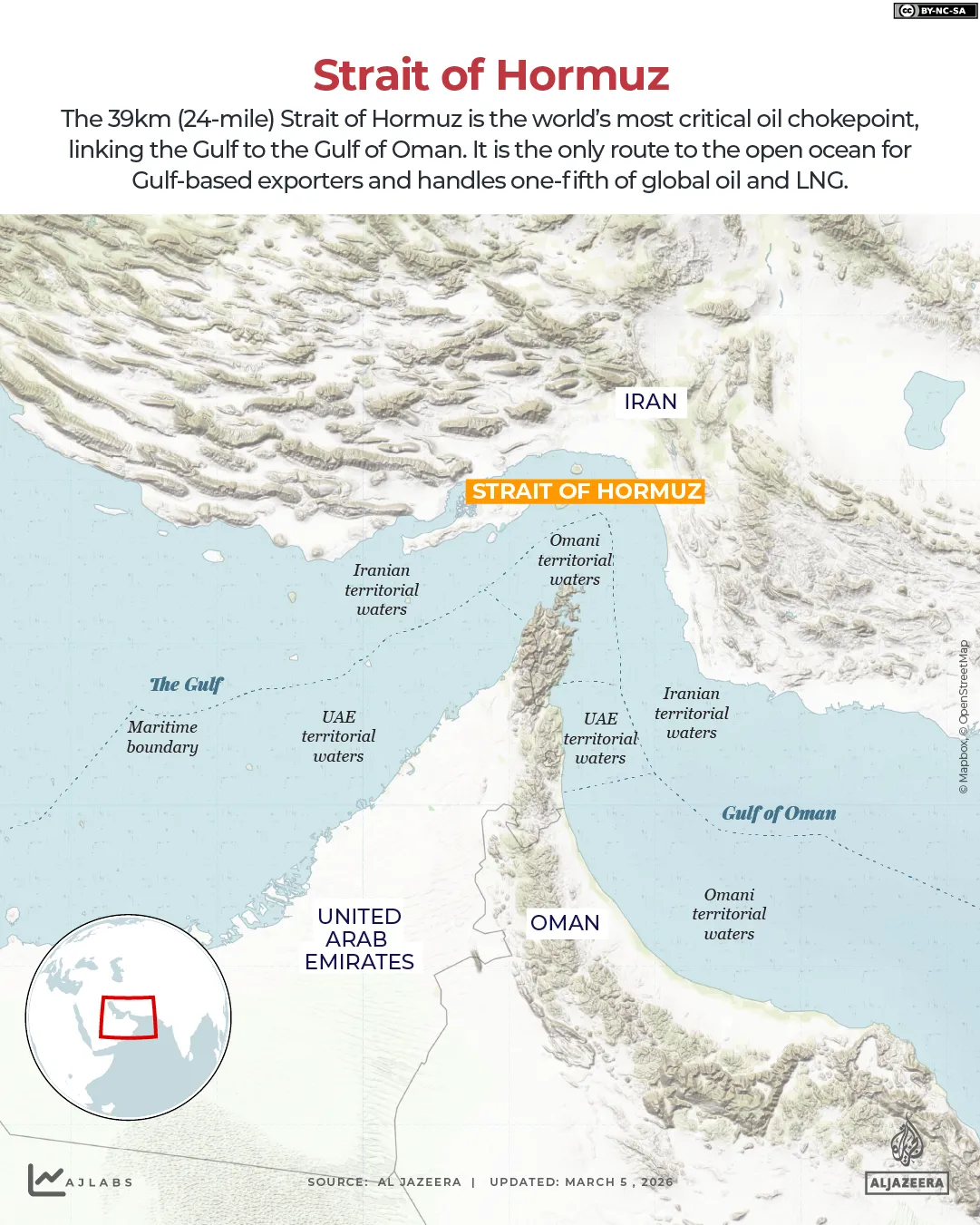
The Strait of Hormuz is one of the most important maritime chokepoints in the world, with roughly 20 percent of global crude oil supplies and a significant share of liquefied natural gas shipments passing through the narrow corridor between Iran and Oman.
Shipping activity through the strait has been heavily disrupted since the United States and Israel launched attacks on Iran on February 28, fuelling fears of supply disruptions in global energy markets.
The United Nations Conference on Trade and Development (UNCTAD) warned in a new analysis that prolonged disruption of the strait could have far-reaching economic consequences.
According to the agency, freight rates for oil tankers and war-risk insurance premiums have surged as shipping companies react to the growing security risks in the region. Rising marine fuel costs are also increasing transport expenses across global supply chains.
The report noted that about one-third of global seaborne fertiliser trade — roughly 16 million tonnes — passes through the Strait of Hormuz, raising concerns about fertiliser access for poorer countries if disruptions continue.
Developing economies may face particular challenges absorbing such shocks due to high debt burdens and rising borrowing costs, the agency warned.
UN spokesperson Stephane Dujarric said the scale of the economic impact would depend on how long disruptions to the strait continue.
“UNCTAD stresses that the ultimate scale of the economic impact will depend on the duration and intensity of disruption, and emphasises the need for continued monitoring and efforts to safeguard maritime trade corridors in line with international law,” Dujarric said.
Energy markets have been highly volatile since the conflict began.
Oil prices surged to their highest levels since 2022 earlier this week as fears of supply disruption mounted, with Brent crude briefly exceeding $119 a barrel.
Prices later dropped sharply after President Trump suggested the conflict could soon wind down.
Brent crude futures fell by about 12.6 percent to $86.50 per barrel, while US West Texas Intermediate dropped nearly 13 percent to $82.53.
Energy analysts say the swings reflect uncertainty over whether the war will escalate or move toward de-escalation.
“Clearly, Trump’s comments about a short-lived war have calmed markets,” said Suvro Sarkar, energy sector team lead at DBS Bank.
“While there was an overreaction to the upside yesterday, we think there is an overreaction to the downside today.”
